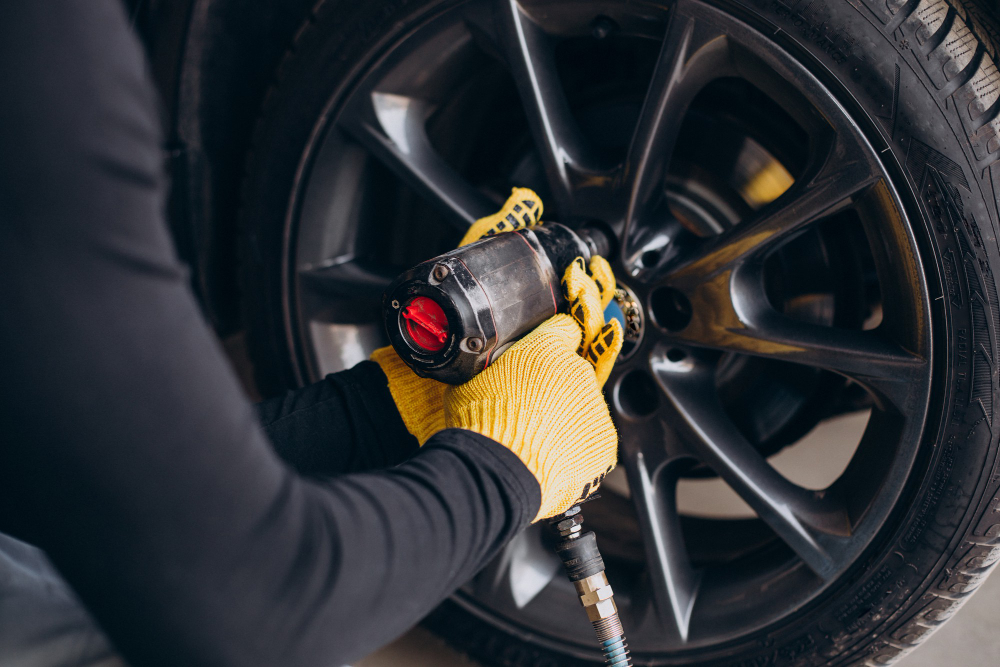
Do you hear a humming or growling noise that gets louder as you drive faster? That’s often a sign your wheel bearing is failing. The next thing most people want to know is how much it will cost to fix.
Here’s the silver lining: replacing a wheel bearing is actually one of the more budget-friendly fixes. For most Australians, the price tag sits between $150 and $600 per wheel, parts and labour included.
In this guide, we’ll explore what drives the cost, the telltale warning sounds to watch for, and the essentials every 4WD owner should keep in mind.
What Does a Wheel Bearing Do?
Each wheel spins on a ring of small steel balls or rollers packed in grease. That's the wheel bearing. It lets your wheel turn smoothly while holding up the weight of the car.
It sits inside the hub, usually behind the brakes. You can't see it, but you'll definitely hear it when it starts to wear.
How Much Does a Wheel Bearing Replacement Cost?
The price mostly depends on where the bearing is and how it's fitted. Here's a rough guide based on current Australian price guides.
| Job | Typical price range |
|---|---|
| One wheel bearing (most cars) | $150 to $600+ |
| Both sides on the same axle | Roughly double, since it's two jobs |
So why such a big range? It usually comes down to how your car's bearing is built.
Bolt-on hub assembly. On many modern cars, the bearing comes built into a hub unit that bolts on. The whole unit gets swapped. It's usually the quicker job.
Pressed-in bearing. On other cars, the old bearing has to be pressed out and the new one pressed in with a hydraulic press. That takes more time, so labour costs more.
From our experience, when two quotes look very different, this is usually why. Ask your mechanic which type your car has.
Want a bigger picture of what regular servicing and repairs cost? Have a look at our guide to car maintenance charges.
Signs Your Wheel Bearing Is Wearing Out
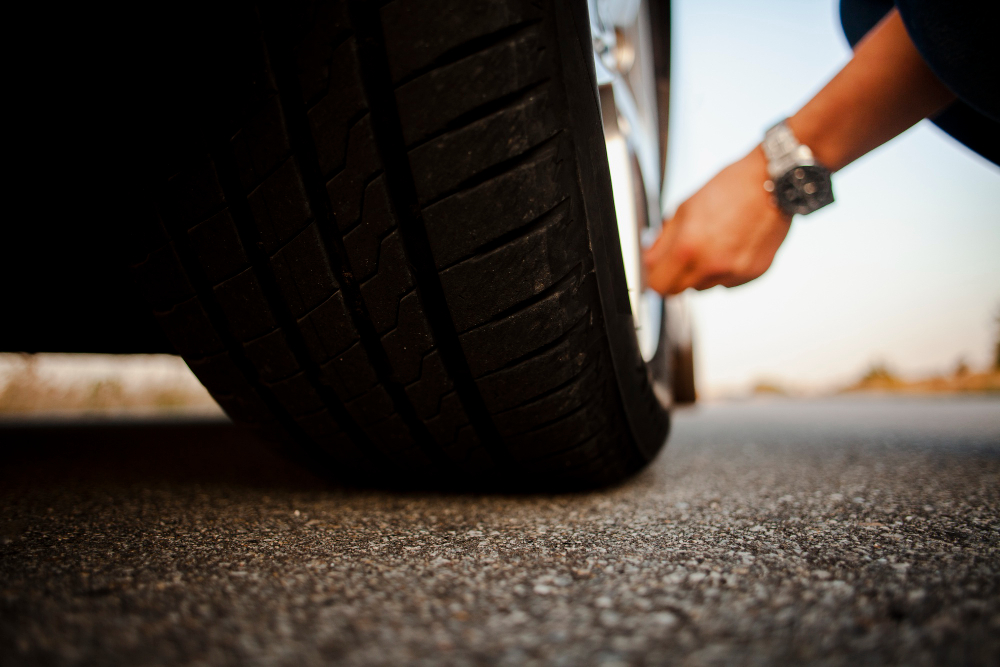
Wheel bearings rarely fail in silence. Keep your ears open for these warning signs:
- A humming, rumbling, or growling sound that rises in intensity the faster you go
- A noise that changes when you turn a corner
- Vibration you can feel through the steering wheel
- A knocking sound when you drive over bumps
It can be hard to tell bearing noise from tyre noise. A mechanic can usually spot the difference quickly by checking if the wheel moves too much.
Is It Safe to Keep Driving With a Bad Wheel Bearing?
The short answer is no, not for long. As a bearing wears out, your wheel may begin to wobble and feel loose on the road. In the worst-case scenario, the bearing could seize up and bring your car to a sudden, grinding halt.
From our experience, a bearing that starts humming won't fix itself. Getting it checked early usually means a simpler job and a smaller bill.
A loose wheel can also cause trouble at your next roadworthy. Here are the 10 common reasons a car fails inspection in Australia.
Why 4WDs Go Through Wheel Bearings Faster
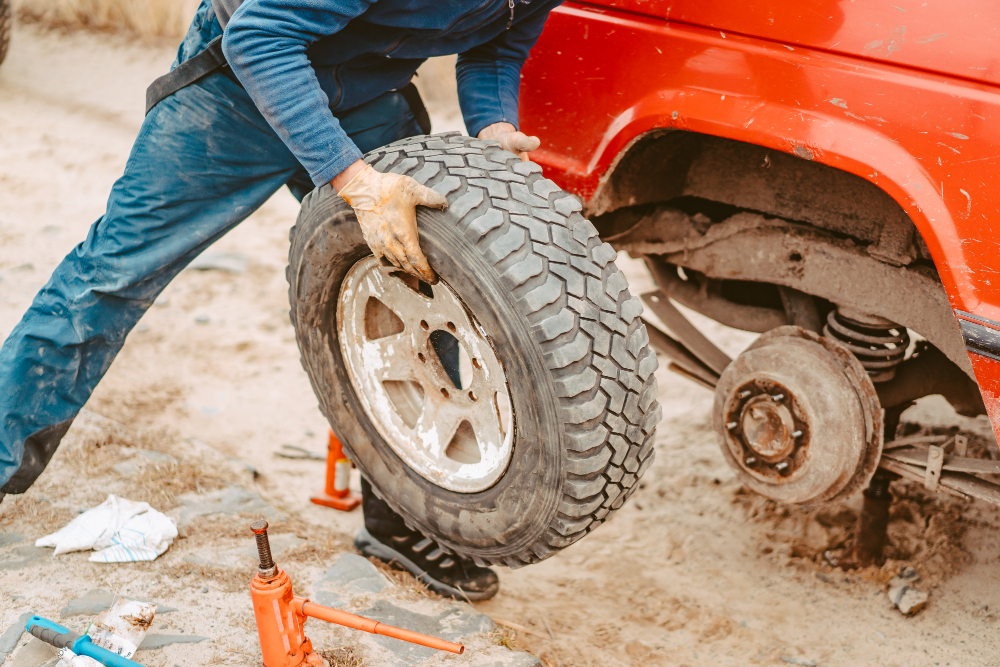
If you love getting off the bitumen, your wheel bearings work harder than most. Here's why:
- Water crossings. Water can get past the seals and wash out the grease. Without grease, a bearing wears out fast.
- Mud, sand and red dust. Grit is a bearing's worst enemy.
- Corrugations. Hours of shaking on outback roads put constant stress on the hubs.
- Towing and heavy loads. Every extra kilo heaps more strain onto your bearings.
Some 4WDs have bearings that need to be repacked. This involves cleaning out the old grease and putting in new grease. Many owners do this every 40,000 to 60,000 km if they drive through water, red dust or corrugations. Check your logbook to see when your vehicle is due.
After a deep crossing, keep your ears peeled for any new noises on the drive home. If you hear a mysterious hum, get it checked out before your next adventure.
Looking at a used 4WD? Check if the wheel bearings have been serviced, especially if the vehicle has been used for beach trips or river crossings. If there's proof of a recent repack or replacement, that's a great sign.
Also, remember to ask about the timing belt. Check out our guide on how much a timing belt replacement usually costs.
Got a Quote? Here's How to Check It
A worn wheel bearing is often found during a regular service, and you’ll usually get a quote for the repair. Many people book this service with their dealer, which is a solid choice. Dealers know your car well and can take care of recalls and warranty work.
But it’s good to know exactly what you’re paying for. Here are three questions to ask:
- Is the repair just for the bearing, or does it include the whole hub assembly?
- Does the quote cover just one wheel, or both sides?
- Are the parts original or aftermarket?
Once you have these answers, you can compare a quote from an independent workshop, line by line. Labour rates change depending on where you go, so it’s normal to see different prices for the same job.
Worried about keeping your warranty intact? Good news: the ACCC (Australia’s consumer watchdog) says you can trust a qualified independent mechanic with your logbook servicing. As long as they stick to the manufacturer’s schedule and use the correct parts, your warranty remains safe.
If your car has an extended warranty that requires dealer servicing, make sure to read the fine print before booking with another provider.
Not sure about your car’s service history? Just flip through your service logbook to see what’s already been done.
Show Buyers Your Car's Been Looked After
When you’re selling your car, buyers notice every sound during the test drive. If a wheel hums, it can worry them. But if the ride is quiet and you can show proof of recent work, that’s a big plus.
After the work is finished, keep the invoice, the date, the mileage, and details about what was replaced, like the hub or bearing and which wheel it was.
The real challenge is keeping that paperwork safe year after year. That’s where Autoport’s new Digital Vehicle Passport shines. It stores your car’s entire history in one spot—services, repairs, receipts, all together. When a buyer asks what’s been done, you’re ready with the answer.
Silent wheels help you seal the deal. Solid proof helps you seal it even quicker!
Grab the free Autoport app for iOS or Android, snap a photo of your wheel bearing invoice, and have it ready to impress when it’s time to sell.
Enjoy getting hands-on between services? Dive into our DIY car maintenance guide—it’s the perfect place to begin.
FAQ
How long does a wheel bearing last?
There's no set lifespan. A bearing can wear out at any time, and driving through water, mud or rough roads shortens its life.
Should I replace both sides at once?
Not always. If only one side is worn, you can replace just that one. Ask your mechanic to check the other side while the car is up.
Can I replace a wheel bearing myself?
We wouldn't recommend it unless you're experienced. Pressed-in bearings need special tools, and a badly fitted bearing can fail early.
Is wheel bearing noise dangerous?
It's a warning sign, not an emergency on day one. But don't ignore it. A failing bearing can make the wheel wobble or even lock up.