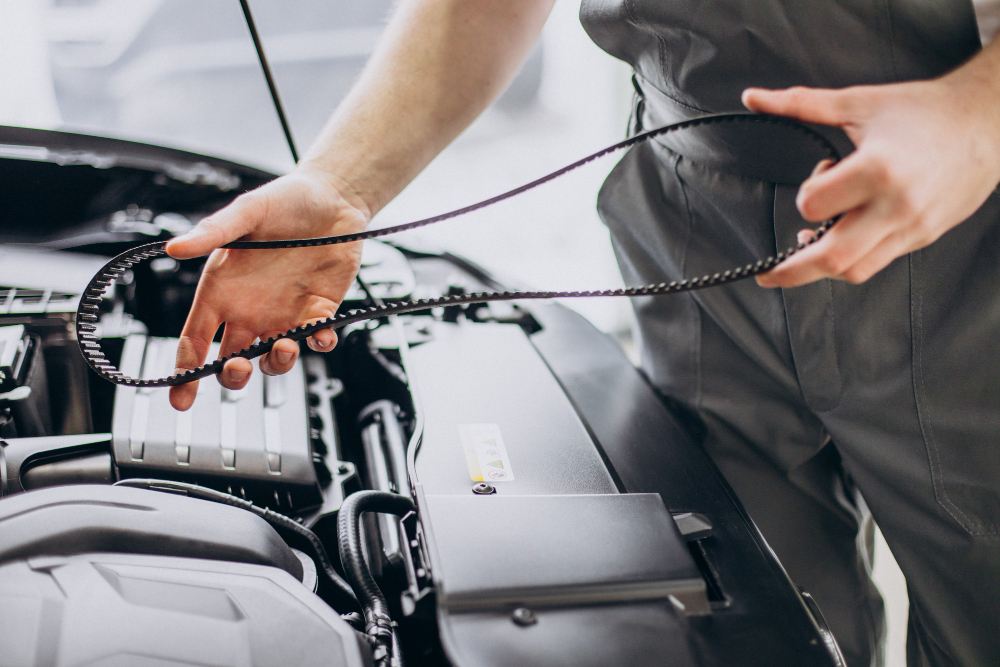
Somewhere in your car's logbook, there's a line about the timing belt. It might say 100,000 km or 150,000 km. And when that service comes around, the quote often looks a lot bigger than a normal service.
So what's a fair price? For most cars in Australia, a timing belt replacement costs around $500 to $1,400, which covers parts and labour.
It's a big range, we know. Today, we will cover what's in the quote, when to replace it and how to avoid paying more than you need to.
What Does a Timing Belt Do?

Inside your engine, some parts move up and down while others spin. They all have to stay perfectly in sync and the timing belt keeps them together.
It's a rubber belt with teeth, tucked behind covers at the front of the engine. Because it's hidden, a mechanic has to remove other parts just to get to it. That's where most of the cost comes from.
However, some cars don't have a belt at all. Instead, some engines come with a metal timing chain, which usually lasts much longer. More on that in the 4WD section below.
How Much Does a Timing Belt Replacement Cost?
Labour is usually the biggest part of the bill. On some cars, the mechanic has to remove a lot of other parts just to reach the belt.
Here's a rough guide based on current Australian price guides. Your car, your engine and where you live will all shift the number.
| What's replaced | Typical price range |
|---|---|
| Belt only (simple four-cylinder engine) | $500 to $800 |
| Timing belt kit (belt, tensioner, pulleys) | $700 to $1,100 |
| Full kit plus water pump, or a tight engine bay | $1,000 to $1,400+ |
Need to get a bigger picture of what regular servicing and repairs cost? Have a look at our guide to car maintenance charges.
Is Your Timing Belt Due? Check These Three Things
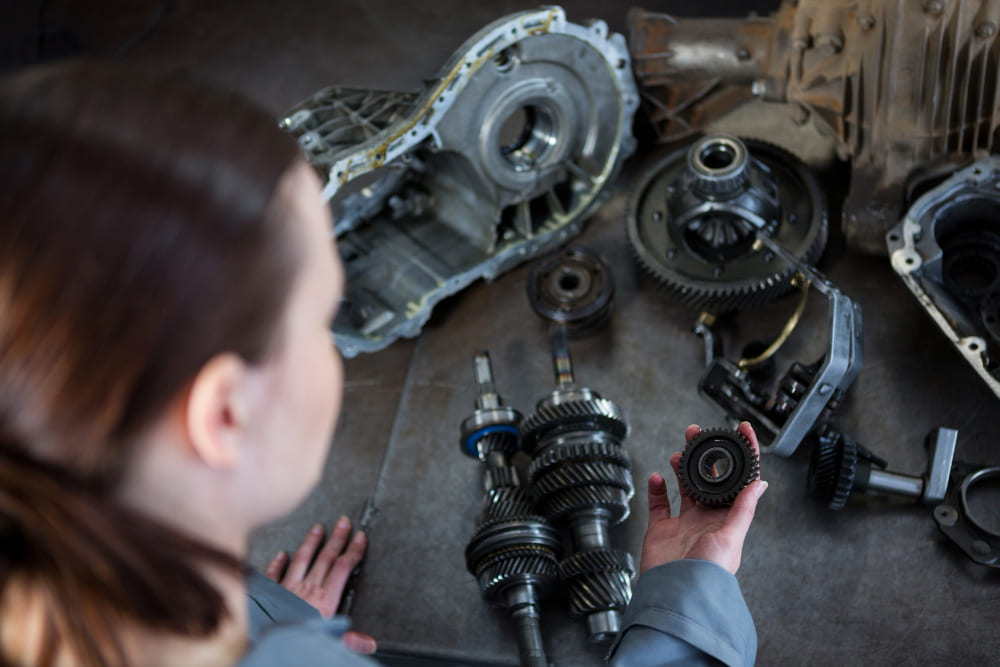
Can you spot a worn belt yourself? Well, you might hear a ticking or whirring from the front of the engine. But many belts can snap with no warning at all.
Below are three things you should check regarding your timing belt’s quality:
1. Your kilometres. Look up the timing belt interval in your logbook. For many cars, it lands somewhere between 90,000 and 150,000 km.
2. Your car's age. Rubber breaks down over time, even if the car mostly sits in the garage. Many manufacturers set a time limit too, so a low-km car can still be due.
3. How you drive. Lots of towing, dusty roads or short trips can count as "severe conditions." Some logbooks list a shorter interval for this.
Lost track of what's been done? Here's how to check your car's service logbook.
What Happens If a Timing Belt Snaps?
Here's the part nobody wants to hear. In many engines, a snapped timing belt lets the moving parts crash into each other.
Mechanics call these "interference engines." The result can be bent valves, a damaged engine and a repair bill in the thousands. Sometimes the engine isn't worth fixing at all.
From our experience, a timing belt is one job you really don't want to put off. A few hundred dollars now can save you a much bigger bill later.
And if your car is due for a roadworthy soon, here are the 10 common reasons a car fails inspection in Australia.
Belt or Chain? A Quick Guide for 4WD and Ute Owners
Planning a trip up the Cape or across the Simpson? Then, this matters more for you than for most drivers. A snapped belt on a remote track means a long wait and a very pricey tow.
The good news is that many newer 4WDs and utes run timing chains. Newer Toyota HiLux diesels and the Mitsubishi Pajero Sport are two examples.
But plenty of older 4WDs still use belts—older 3.0-litre turbo diesel Prados are a well-known example. Their belt was due around every 150,000 km.
Shopping for a used 4WD? Ask the seller one question early: "When was the timing belt last done?"
Then, ask to see the invoice. From what we see, this one question saves a lot of buyers from a nasty surprise. If there's no proof, budget for a belt change and adjust your offer.
Booking It In: Dealer, Independent or Both?

A timing belt is often changed during a major logbook service. Many owners book that with the dealer they bought from. Dealers know your car's make well, and they handle recalls and warranty claims.
You can also get a price from an independent workshop. Labour rates differ from place to place, so different prices for the same job are normal.
Worried about your warranty? The ACCC (Australia's consumer watchdog) says a qualified independent mechanic can carry out your logbook servicing. Your warranty stays in place as long as they follow the manufacturer's schedule and use parts that meet the right standards.
If your car came with an extended warranty that needs dealer servicing, check the fine print before booking elsewhere.
Turn Your Cambelt Receipt Into a Selling Point
Nobody gets excited about paying for a timing belt, but there's an upside: it can make your car easier to sell.
Buyers who know cars will ask about the cambelt early. A recent belt change, with proof, takes a big worry off their list. A belt with no paperwork can knock money off your price.
So once the job is done, hang on the invoice, date and odometer reading, and replaced parts (belt, kit, water pump).
The hard part is keeping that paperwork safe for years. That's the idea behind Autoport's new Digital Vehicle Passport. It keeps your car's history in one place. Services, repairs and receipts, all together. So when a buyer asks, you've got the proof ready.
Every serious buyer will ask about the cambelt. Be the seller who answers in five seconds!
Grab the free Autoport app on iOS or Android, snap your cambelt invoice and keep the proof ready for the day it counts.
FAQ
Is a cambelt the same as a timing belt?
Yes, it is the same part with two names. In Australia, you'll hear both.
How long does the job take?
Usually a few hours. Engines where the belt is hard to reach can take most of the day.
Can I replace a timing belt myself?
We wouldn't recommend it unless you're very experienced. If the timing is set even slightly wrong, the engine can be damaged.
Should I change the water pump at the same time?
If the belt drives your water pump, it's usually a smart move. It saves paying the same labour twice later on.