So your clutch is starting to act up. Maybe the revs climb but the car doesn't pick up speed like it used to. Maybe the pedal feels spongy or there's a burning smell after a hill start. Whatever brought you here, the big question is probably the same: how much is this going to cost me?
Short answer: most Australians pay somewhere between $800 and $2,500 for a clutch replacement, parts and labour included. Bigger utes and 4WDs can go higher.
That's a wide range, we know. So let's walk through what pushes your price up or down, what should be in a fair quote, and how to keep your next clutch going for longer.
How much does a clutch replacement cost?
The clutch kit on its own usually costs $200 to $800. The rest is labour, and that's where most of your money goes.
Here's a rough guide based on current Australian price guides. Your car's make, model and where you live will all shift the number.
| Car type | Typical cost (parts and labour) |
|---|---|
| Small cars and hatchbacks | $800 to $1,400 |
| Sedans and SUVs | $1,100 to $2,000 |
| Utes, 4WDs and performance cars | $1,500 to $3,000+ |
What's Actually Included in a Clutch Replacement Quote?
A clutch quote usually has three parts. Once you know them, a quote stops looking like one scary number.
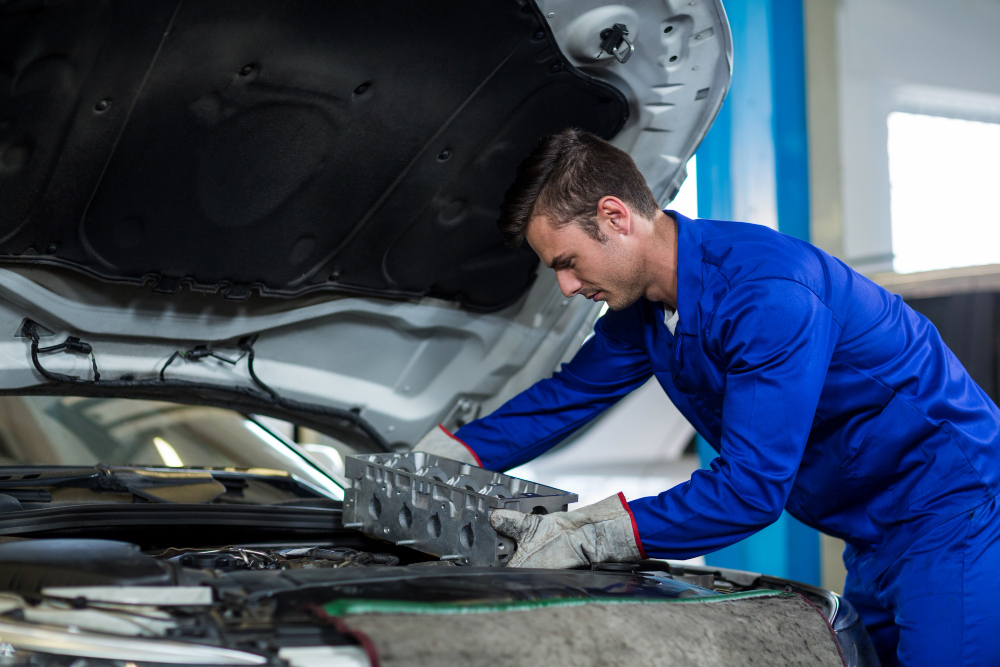
1. The clutch kit. This is normally a clutch plate (the part that wears down, a bit like a brake pad), a pressure plate and a release bearing. Most workshops replace all three together, since they wear out together.
2. The flywheel. This is the heavy metal disc your clutch presses against. Sometimes it can be machined smooth and reused. Sometimes it needs replacing. Many modern diesels and bigger cars use a dual mass flywheel, which is a fancier (and pricier) version that smooths out engine vibration.
From our experience, the flywheel is the part that surprises people most. Two quotes for the same car can look miles apart simply because one includes a new flywheel and the other doesn't. So always ask: "Is the flywheel included, and does it actually need replacing?"
3. Labour. To reach the clutch, the mechanic has to take the gearbox out. On some cars that's a few hours. On others, especially all-wheel drives and 4WDs with extra parts in the way, it can take most of a day.
A quick tip: ask for your quote in writing, with each of these three parts listed separately. It makes comparing quotes much easier. If you’d like a bigger picture of what everyday servicing and repairs usually cost, have a look at our guide to car maintenance charges.
Signs your clutch is on its way out
Clutches don't usually die overnight, they would give you hints first. If you notice any of the symptoms below, it's worth getting it checked immediately.
Keep an eye out for:
- Slipping: the engine revs rise but the car doesn't speed up to match, especially going uphill or overtaking.
- A high biting point: the clutch only grabs right at the top of the pedal's travel.
- A burning smell: a bit like burnt toast, often after hill starts or heavy towing.
- Trouble changing gears: grinding, or gears that feel hard to get into.
- A spongy or sticky pedal: this can also point to a hydraulic problem, which is sometimes a cheaper fix.
A worn clutch is not the only thing that can catch you out at a roadworthy. We covered the common reasons a car fails inspection in Australia.
Utes and 4WDs: Why Your Clutch Works Harder
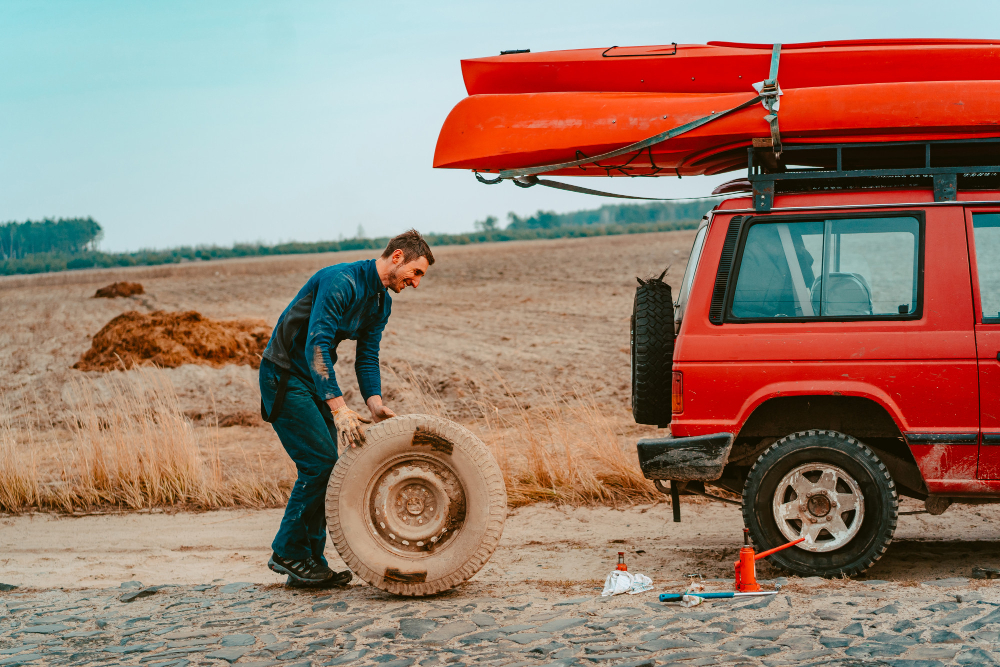
If you drive a ute or a 4WD, this part is for you. Many Australians drive a Hilux, a Ranger or a Triton, and plenty of them spend their weekends on sand, mud or a steep fire trail. All of that is tough on a clutch.
Here's why your clutch might wear faster than a city hatchback's:
- Towing. Pulling a boat, caravan or trailer puts a lot of extra load on the clutch, especially on take-off and hill starts.
- Sand and soft ground. It's tempting to slip the clutch to keep moving in soft sand. A little is normal, but a lot creates heat, and heat is what wears a clutch out.
- Low-range crawling. Slow, careful driving over rocks often means riding the clutch more than you realise.
- Heavier loads. A full tray, roof racks and camping gear all add weight the clutch has to get moving.
The parts can cost more too. Many diesel utes and 4WDs use a dual mass flywheel, and heavy-duty clutch kits made for towing usually cost more than standard ones. That's why 4WD clutch jobs often land at the top of the price range.
Thinking about a heavy-duty upgrade? If you tow often or do a lot of offroad driving, ask your mechanic whether a heavy-duty clutch suits how you drive. It can cost more upfront, but it may handle the extra load better.
From our experience, 4WD owners who mention their towing and offroad habits when they ask for a quote get a much more accurate price. It helps the mechanic recommend the right parts the first time.
Dealer or Independent Workshop?
Lots of people take their car back to the dealer for everything. That's completely fine since dealers know your make inside out and are the go-to for warranty claims and recalls.
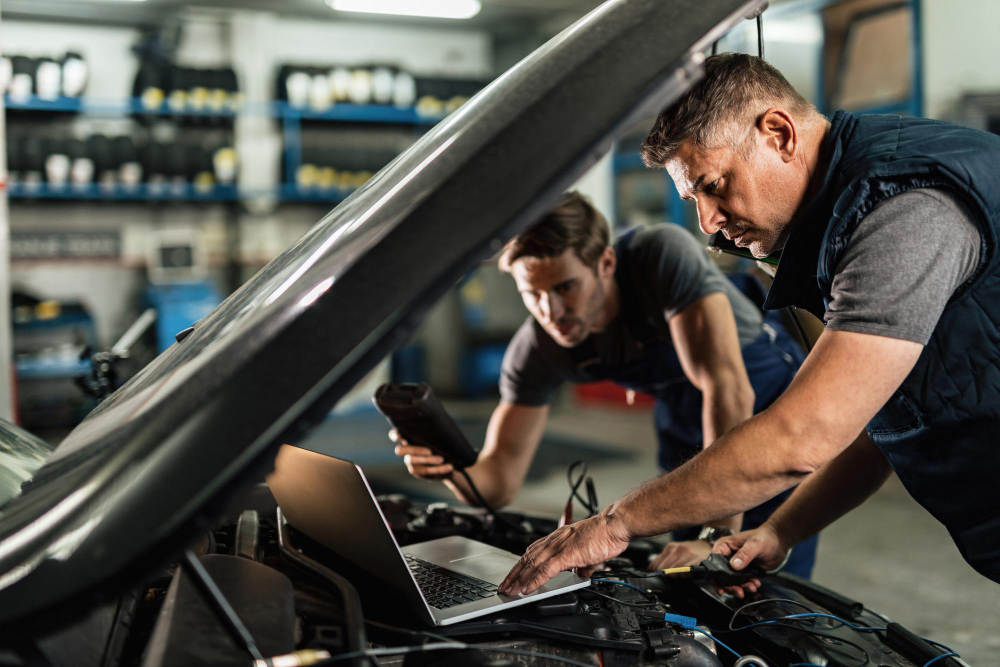
But it's worth knowing you have options, especially for a bigger job like a clutch. Workshops set their own labour rates and parts choices, so prices for the same clutch job can vary quite a bit.
You might also have heard that using an independent mechanic will void your new car warranty. According to the ACCC (Australia's consumer watchdog), that's generally not the case. A qualified independent mechanic can do your logbook servicing and stamp your logbook, as long as they follow the manufacturer's schedule and use parts that meet the right specifications.
If you’re not sure what’s already been done on your car, read more about it in our guide on how to check your car’s service logbook.
One thing to check: some carmakers offer extended warranties that ask you to service with them. If your car has one, read the conditions before you switch. The simple approach is to get a quote from your dealer and one or two from independent workshops, then compare them line by line: kit, flywheel and labour.
How to Make Your Next Clutch Last Longer
A clutch is a wear item, so it will need replacing eventually. But a few small habits can add years to its life:
- Keep your foot off the pedal when you're not changing gears. Resting your foot there, even lightly, causes wear.
- Use the handbrake on hills instead of holding the car still with the clutch.
- Shift into neutral at long red lights rather than sitting with the pedal pushed in.
- Don't over-rev on take-off. Smooth and steady is kinder to the clutch than lots of revs.
- Get a check if something feels off. Catching a hydraulic leak or a worn part early is much cheaper than waiting.
For simple checks you can do yourself between services, our DIY car maintenance guide is a good place to start.
If you'd like to look after the rest of your drivetrain too, our guide to transmission fluid replacement cost covers the gearbox side of things.
Why Your Clutch Records Matter When You Sell
Here's a step a lot of people skip: after your clutch is done, keep the records. We mean the invoice, the date, the km reading and what was replaced (kit only, or kit and flywheel).
It sounds like a boring admin, but it matters when you sell. One of the first questions a used-car buyer asks, especially about a ute or 4WD, is "Has the clutch been done?" Being able to show proof builds trust that helps you get a better price.
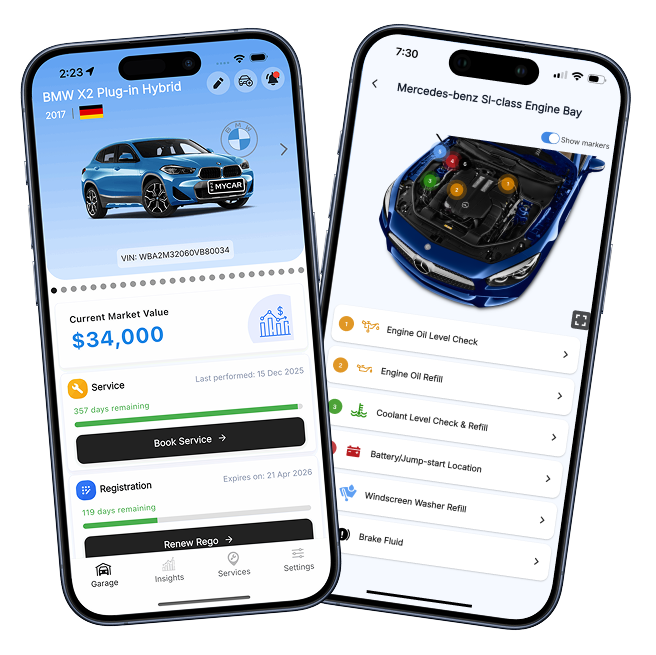
The trouble is, receipts get lost in glovebox drawers and old email inboxes. That's where Autoport's new Digital Vehicle Passport comes in. It keeps all your car’s records in one place. Your clutch job, your services, your repairs. They’re all there when you need them, for your next service or when it’s time to sell.
In essence, your car's history is kept safe and ready to show. The Autoport app is free to download on iOS and Android. Pop your clutch invoice in today and it will be right there when you need it.
Frequently asked questions
How long does a clutch replacement take?
Most clutch jobs take between half a day and a full day, depending on the car. All-wheel drives and 4WDs usually take longer because there's more to remove.
How long does a clutch last?
It depends a lot on how and where you drive. Lots of stop-start city traffic, towing and offroad driving all wear a clutch faster than easy highway kilometres.
Can I drive with a slipping clutch?
You might be able to for a little while, but it's not a good idea. A slipping clutch can leave you without drive at the worst moment, and it can damage the flywheel, which makes the repair more expensive.
Do I need to replace the flywheel every time?
Not always. If it's in good shape, it can sometimes be machined and reused. Ask your mechanic to check it and explain their recommendation.
Will using an independent mechanic void my warranty?
Generally, no. The ACCC says a qualified independent mechanic can service your car and stamp your logbook, as long as they follow the manufacturer's requirements. Just check the conditions if your car has an extended warranty that asks for dealer servicing.