Car maintenance charges can mean a few different things. It might be a single line on your
invoice, the total for a full service, or the split between labour and parts that makes up that total. That’s why a quote can feel hard to judge, even when you’ve paid for servicing before.
This guide breaks those charges down the way they appear on a real invoice, so you know what’s normal and what’s worth a question. Once you know what to expect, keeping a digital record of every service and cost makes it much easier to budget for the next one.
Car Maintenance Charges Broken Down by Service Type
Most workshops categorize routine work by scope: minor or major. This tier sets the standard for the total amount in your bill before any extra part or repair add-ons.
Minor Service Charges
A minor service typically costs roughly $150–$350. RACV recommends servicing once every 10,000–15,000km or every 12 months, whichever comes first. It’s worth checking how often to service your car for your specific model.
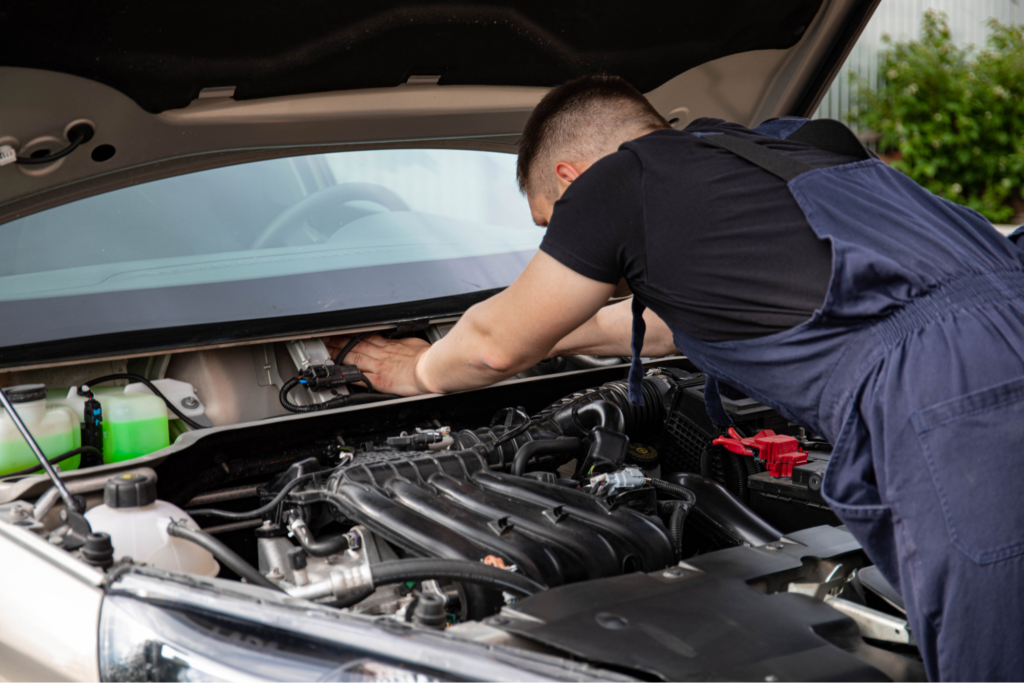
A minor service usually includes:
- Engine oil and oil filter replacement
- A battery test to check that it holds a charge
- A brake check, with brake fluid topped up
- A tyre inspection for damage and wear, with rotation if needed
- Tests of the lights, steering, suspension, wiper blades and air conditioning
- Checks of the air, fuel and pollen filters
- Coolant, washer and power steering fluid checked and topped up
- Your logbook stamped and the service light reset
Most of these are checks, not replacements. A Reddit thread notes that when a minor service bill includes new spark plugs, belts, an air filter, or wiper blades, that’s extra work, and it should have been approved by you first.
Logbook or Major Service Charges
A logbook or major service typically costs roughly $400–$600 or more, and larger or premium vehicles can cost more again. RACV puts the usual interval at every 30,000–45,000km, and the job commonly takes two to four hours.
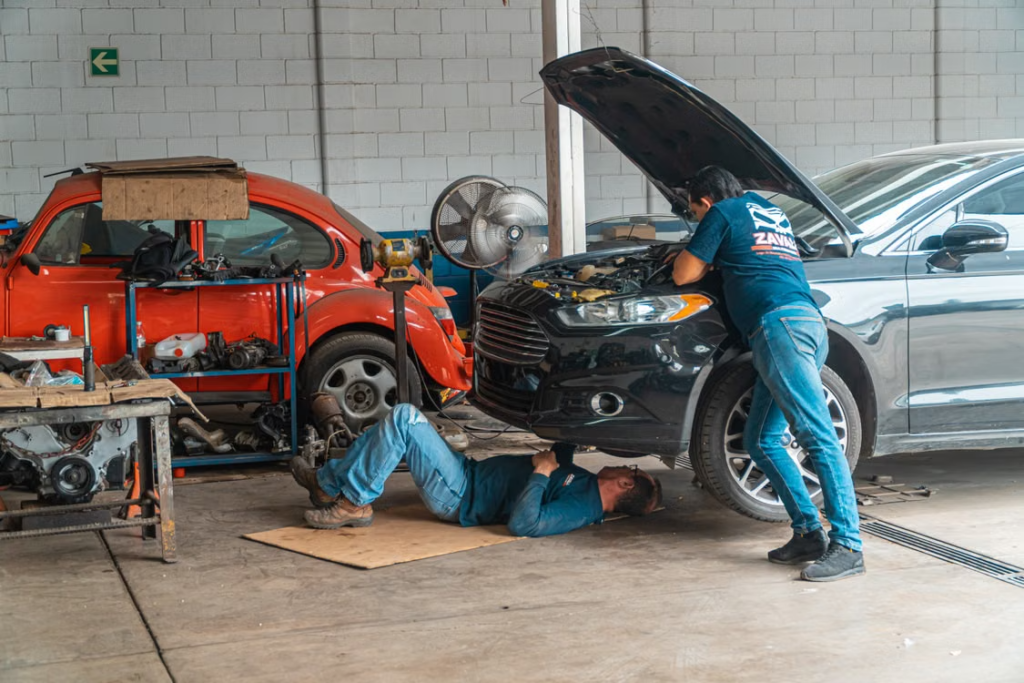
On top of everything in a minor service, a major service can include:
- Spark plug replacement (petrol engines)
- Cabin air filter and fuel filter replacement
- A timing belt inspection, with replacement if due
- A transmission or gearbox fluid change
- A coolant flush and brake fluid replacement
- A full computerised diagnostic scan
- Detailed suspension, steering, drive belt and exhaust checks
The checklist of major services required depends on your manufacturer’s schedule for that interval. Our logbook service explained guide explains how it differs from a regular service.
Labour Rate Charges by Workshop Type
Labour is often the biggest single line on your invoice, and the hourly rate depends heavily on where you take your car:
- Independent workshops: roughly $90–$140 per hour
- Franchise service centres: roughly $120–$180 per hour
- Dealerships and European specialists: roughly $180–$240+ per hour
The same job can cost noticeably more at a dealership simply because of the higher hourly labour rate, so make sure you’re comparing like-for-like when weighing up quotes.
What Else Affects Your Car Servicing Costs
Two cars booked in for the same service can still end up with quite different bills. These are the factors that most often explain the gap.
Your Car’s Make and Model

Parts for common Asian and Australian-market brands are usually cheaper and easier to source. Luxury and European models, such as BMW, Mercedes-Benz or Land Rover, can push maintenance costs past $1,000 due to specialised parts, tools and more complex technology.
Where the Workshop Is
Metropolitan and inner-city workshops typically charge 10%–25% more than regional or rural workshops, largely because of higher rent and overheads. If you live near the edge of a city, a workshop located a few suburbs out may quote noticeably less.
If you bring your car in for a warning light or strange noise, many workshops charge a standalone diagnostic or assessment fee of around $66–$165. This is often deducted from the repair bill, so it’s worth asking how the fee is handled before approving the inspection.
Diagnostic and Assessment Fees
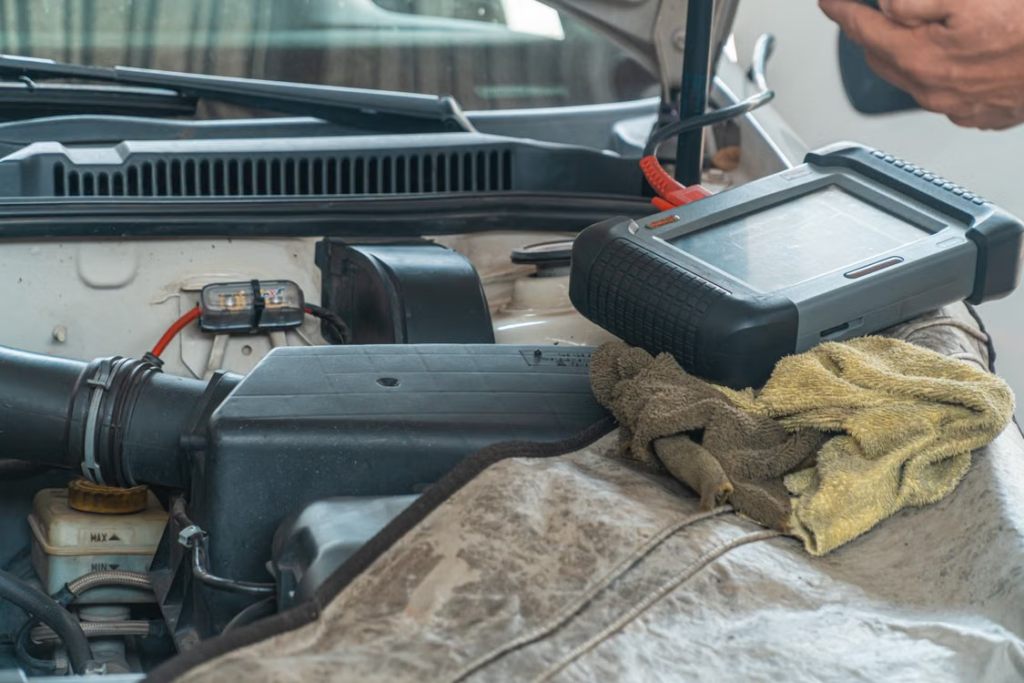
If you bring your car in for a warning light or strange noise, many workshops charge a standalone diagnostic or assessment fee of around $66–$165. This is often deducted from the repair bill, so it’s worth asking how the fee is handled before approving the inspection.
Which Car Maintenance Charges Are Worth Questioning?
A typical invoice splits the total costs into separate lines for labour, parts, fluids, and any diagnostic fee. Sometimes, small sundries or disposal charges are added. Most workshops charge fairly, but a few patterns are worth a polite question before you pay.
Work You Didn’t Approve
If parts were replaced or repairs were done beyond what you booked, the workshop should have called you first. Consumer Protection Western Australia (WA) advises that you authorise repair work based on the original quote and any agreed additional work.
Vague or Lumped-Together Lines
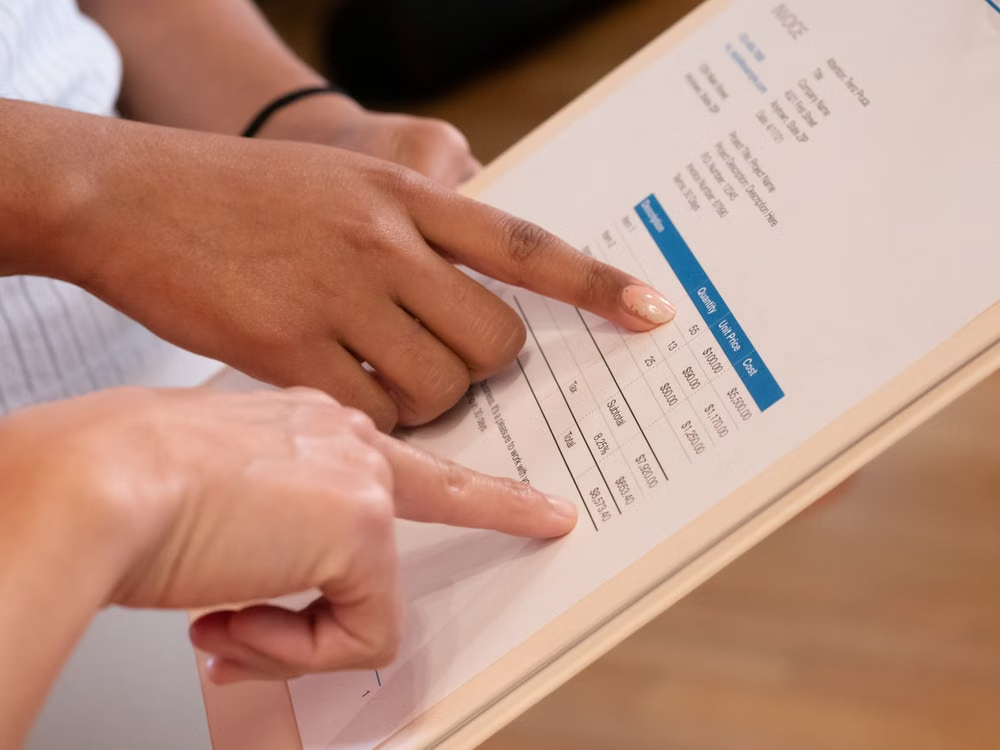
A line that just says “parts” or “miscellaneous” with a single lump-sum charge makes it impossible to check what you paid for. Ask for each part to be named and priced, and whether it’s genuine or aftermarket.
Labour Hours That Don’t Match the Job
Many workshops use standard “book time” for common jobs. If a simple task is billed with several hours of labour, ask how the time was calculated.
How to Keep Your Car Maintenance Charges Under Control
You can’t avoid servicing costs, but you can make them far more predictable. Two habits make the biggest difference.
Ask for an Itemised Breakdown Before Work Starts
Requesting a written, itemised quote before any work begins is the simplest way to compare charges and avoid surprises.
In one discussion among Australian drivers on Reddit, an owner of an early-2010s Alfa Romeo booked a minor service and was billed $1,100, well above the $500–$600 they’d paid previously.

The mechanic hadn’t called before adding spark plugs, belts, an air filter, wiper blades and a tire rotation, and most commenters saw the lack of a phone call as the real problem.
Aside from that, here’s what you need to do:
- Ask exactly what the service includes before booking
- Get a written, itemised quote
- Set a maximum spend and ask to be called before it’s exceeded
- Ask which items are due now and which are only recommended
Keep the quote once the work is done. If the final bill is much higher without your approval, it’s your record of what was agreed, and it gives you a clear starting point if you need to raise a dispute with the workshop or with state consumer protection agencies, such as Consumer Protection WA.
Keep a Record of Your Service History
A documented service history makes it easier to compare charges over time and spot anything unusual, like a price jump for the same service. It also helps a mechanic see what’s already been replaced, which can save diagnostic time.
Keeping a record supports resale value too. Buyers tend to trust, and may pay more for, a car with receipts and a stamped logbook rather than the seller’s word alone. Records aren’t a guarantee of condition, though, so buyers should still get a pre-purchase inspection.
Your records matter for warranty claims as well. According to the Australian Competition and Consumer Commission (ACCC), as reported by CHOICE, your new-car warranty stays valid as long as the car is serviced to the manufacturer’s requirements, and proof of that servicing is what backs up a claim.
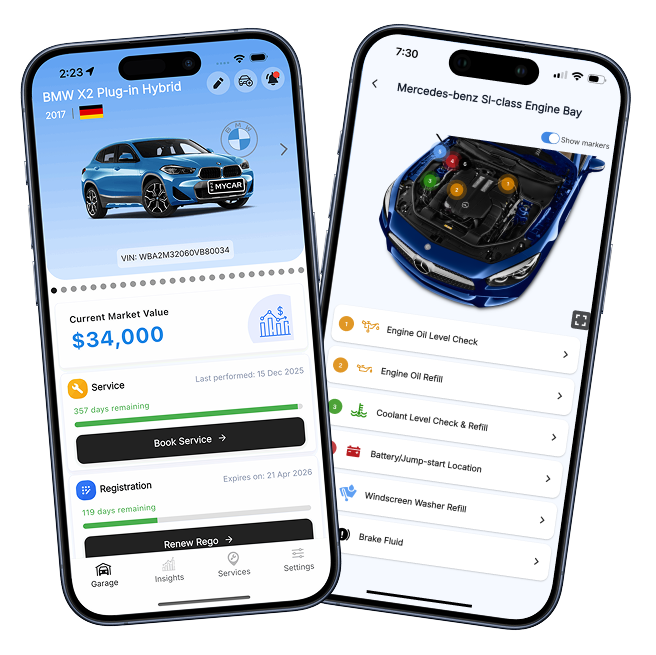
A driver app like Autoport keeps every service, repair, and cost in one place, so that proof doesn’t live in a glovebox.
Frequently Asked Questions
How often should I service my car in Australia?
Most manufacturers recommend a service every 10,000–15,000km or every 6–12 months, whichever comes first. Cars that do lots of short city trips, towing, or dusty driving, and older cars, may need servicing more often, so always follow your logbook.
Is it cheaper to service my car at a dealership or an independent mechanic?
Independent workshops are usually cheaper thanks to lower labour rates and the option of quality aftermarket parts. Dealerships cost more but offer factory-trained technicians and brand-specific diagnostic equipment. Either can service a car under warranty, as long as the logbook schedule is followed.
What’s included in a logbook service?
A logbook service follows your manufacturer’s schedule, so what’s included changes with your car’s make, model, age and kilometres. It typically covers scheduled parts replacement, a more thorough inspection than a minor service, and a stamped logbook as proof it was done to factory standards.
How can I avoid being overcharged for car maintenance?
Ask for an itemised quote that separates parts from labour before work starts, and tell the workshop to call you before doing anything extra. You can also ask to see or keep any replaced parts, and get a second quote for expensive repairs.
Know What’s Normal, and Keep Track of It
Knowing what’s normal for a minor service, a logbook service, or a workshop’s labour rate helps you plan ahead and spot a quote that looks out of line.
The simplest habits are the most effective: get an itemised quote before any work starts, and keep a record of what you’re charged each time.
The easiest way to stay ahead of your next service is keeping your car’s full history in one place. The Autoport app logs every service, repair, and cost, so you always have a record to check a new quote against and never miss a due date. Download the free Autoport app to keep your maintenance charges on track.