A car service includes an engine oil and filter change, fluid checks and top-ups, a brake inspection, tyre checks, a battery and lights test, a steering and suspension check, and a general safety inspection.
The services required depend on the car's make, age and kilometres, and whether it’s a minor, major, or logbook service.
This guide covers the full car service checklist, what each service type includes, the items that usually cost extra, and the questions to ask your mechanic.
What a Typical Car Service Includes
A standard car service in most Australian workshops covers eight main jobs:
Engine Oil and Oil Filter Change
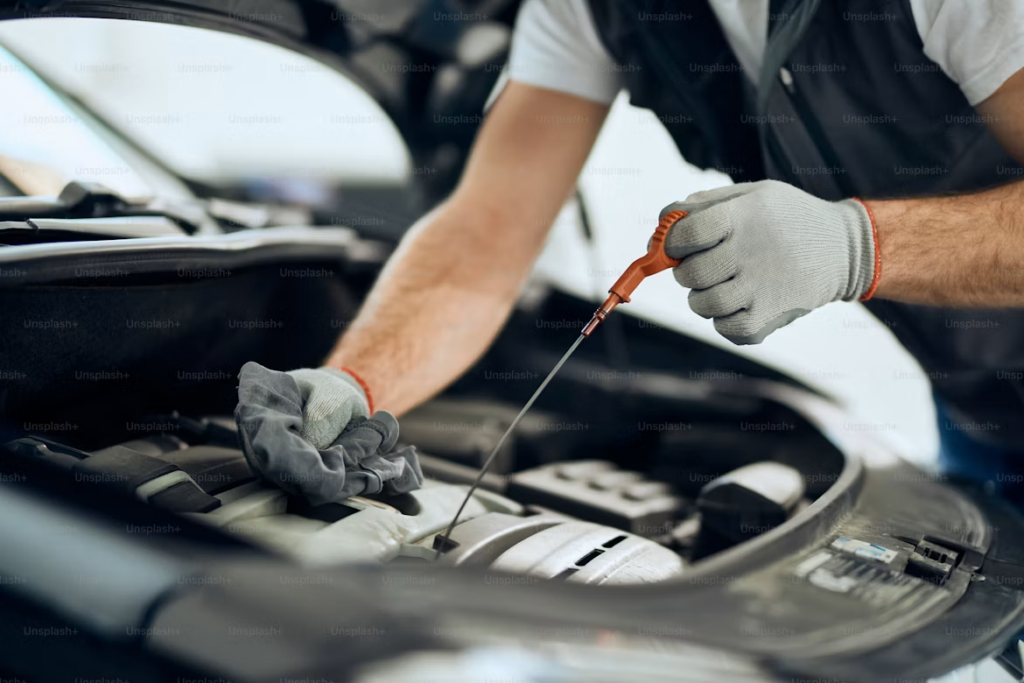
An engine oil and oil filter change replaces the old engine oil and the oil filter. Engine oil lubricates moving engine parts and carries heat away from them. Old engine oil loses its protective properties and speeds up engine wear. The oil change is the main job in a minor service.
Fluid Checks and Top-Ups
Fluid checks cover coolant, brake fluid, windscreen washer fluid, power steering fluid (on hydraulic steering systems), and transmission fluid (on some cars). Coolant prevents engine overheating. Brake fluid absorbs moisture over time, and moisture-contaminated brake fluid reduces braking performance. Some car service intervals include a full fluid flush rather than a top-up.
Brake Inspection
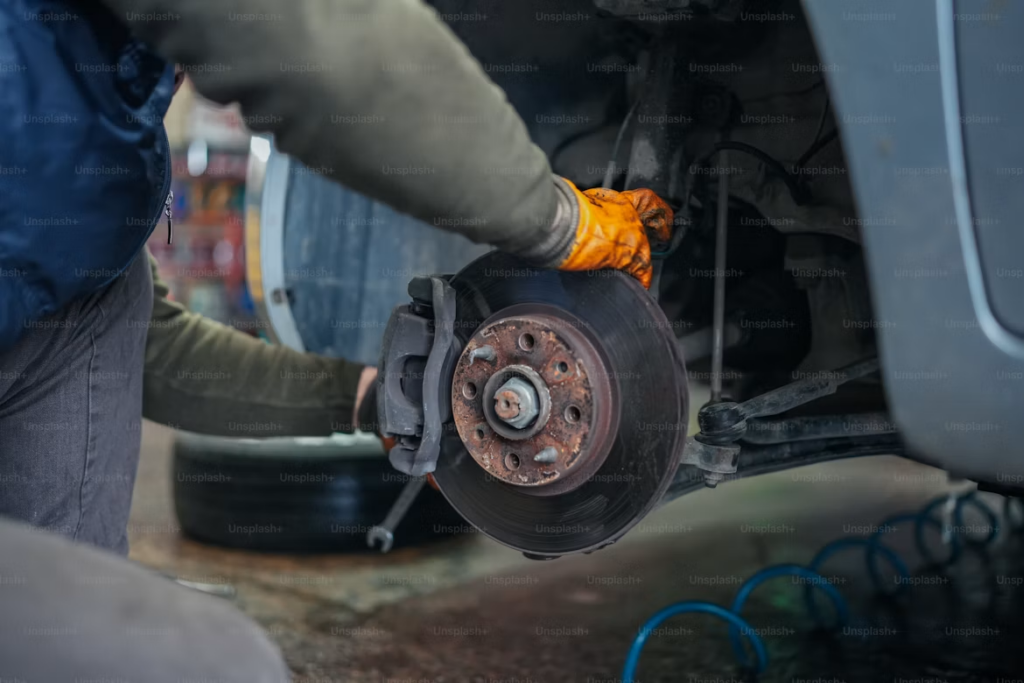
A brake inspection measures brake pad thickness and checks the discs (also called rotors), brake fluid, and visible brake lines for wear or leaks. A reputable workshop explains which brake repairs are urgent, which can wait, and what each costs before starting extra work.
Tyre Checks
A tyre check measures tyre pressure and tread depth, and looks for uneven wear, cuts, and bulges. Tyre rotation moves tyres between positions so they wear evenly. Uneven tyre wear often signals a wheel alignment or suspension problem, which makes the tyre check a useful early warning.
Battery, Lights and Wipers
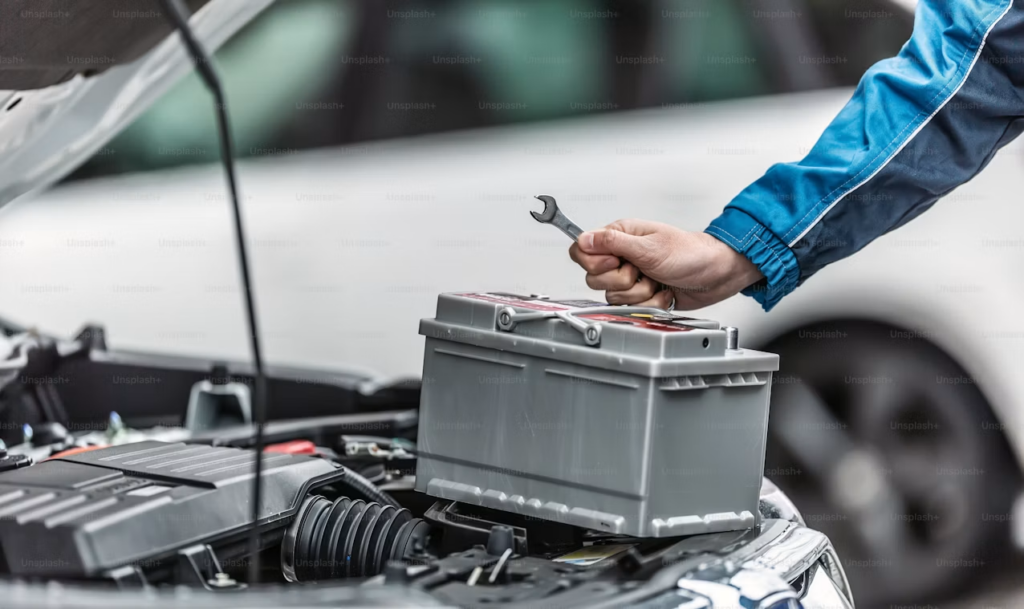
The battery test checks that it holds charge, while a charging system check makes sure the alternator keeps it topped up. A weak battery is a common reason cars fail to start. A lights and wipers check covers headlights, brake lights, indicators, wiper blades, and washers.
Steering and Suspension
A steering and suspension check inspects shock absorbers, struts, ball joints, and steering components for wear or leaks. Worn suspension shows up as the car pulling to one side, clunking over speed bumps, floating at highway speed, or wearing tyres unevenly.
Filters, Belts and Hoses
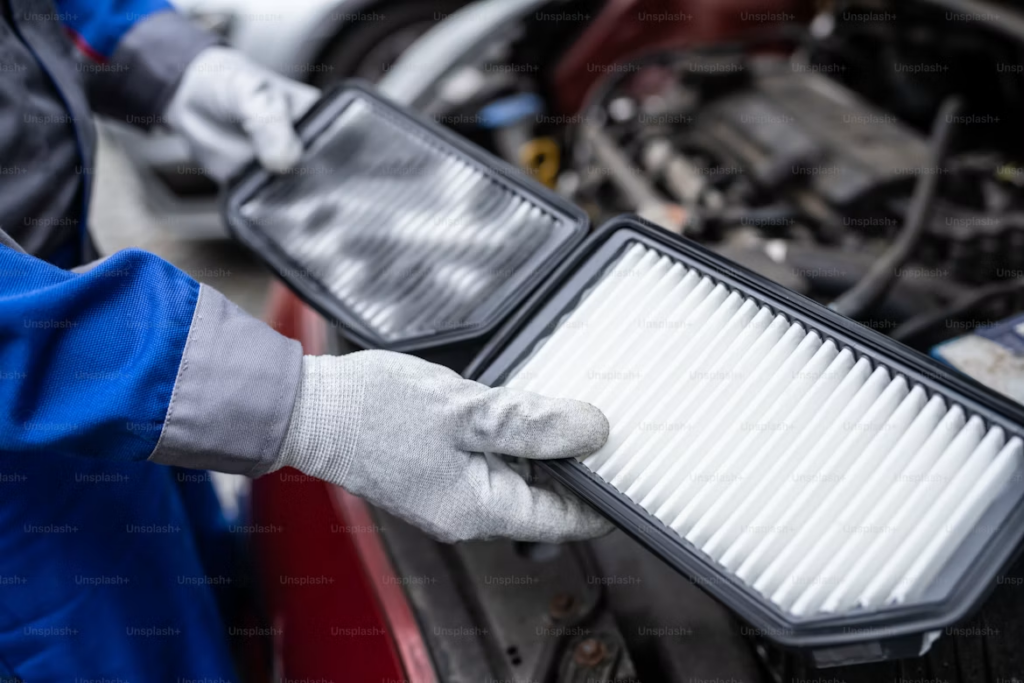
Filter checks cover the air filter, cabin (pollen) filter, and fuel filter, with replacement depending on the interval.
A clogged air filter reduces engine performance and increases fuel use. A belt and hose check looks for cracks, fraying, and softening. A split coolant hose is a common cause of roadside overheating.
Diagnostic Scan and Road Test
A diagnostic scan reads the fault codes that modern cars store in their computer systems, which flags sensor, engine, and electrical issues early.
A road test checks braking, steering, acceleration, and unusual noises in real driving. A routine diagnostic scan is different from diagnosing a specific fault, which is covered below.
Minor, Major and Logbook Service: What Is the Difference?
A minor service covers routine checks and the oil change. A major service adds replacement of wear parts. A logbook service follows the manufacturer's schedule for one specific car.
| Minor Service | Major Service | Logbook Service | |
| Focus | Routine checks, oil and filter | Minor service plus wear-part replacement | Manufacturer’s checklist for the current interval |
| Typical Interval | Every 10,000-15,000 km or 6-12 months | 30,000-45,000 km | Set by the logbook or owner’s manual |
| Typical Time | 1-2 hours | 2-4 hours, sometimes a day | Varies by interval |
| Suits | Routine upkeep between bigger services | Higher-kilometre milestones | Newer cars under warranty and owners building a service history |
Minor Service
A minor service is the routine maintenance check for the most important consumables. It's typically done every 10,000–15,000 kilometres or every 12 months, whichever comes first, and usually takes 1 to 2 hours. A minor service covers eight main components:
- Engine oil and oil filter replacement
- A battery test to check the battery holds charge
- A brake check, with brake fluid topped up
- A tyre inspection for damage and wear, with rotation if needed
- Tests of the lights, steering, suspension, wiper blades and air conditioning
- Checks of the air, fuel and pollen filters
- Fluid levels checked and topped up (coolant, washer and power steering fluid)
- The logbook stamped and the service light reset
Major Service
A major service includes everything in a minor service, plus replacement of parts that wear out over time.
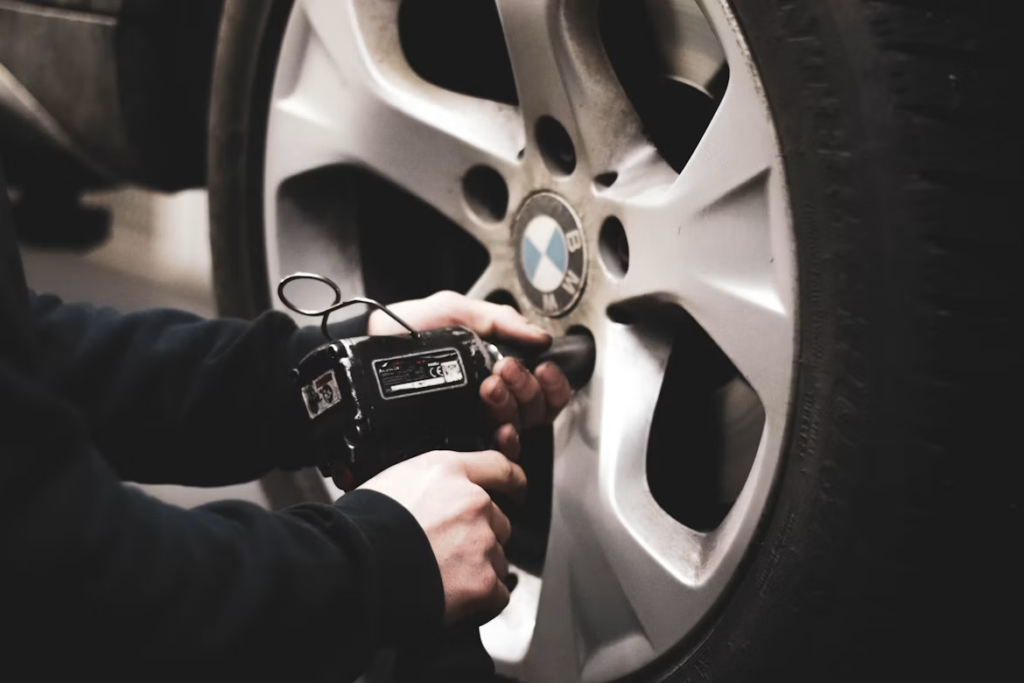
A major service is commonly scheduled every 30,000–45,000 kilometres and usually takes 2 to 4 hours. Depending on the car, it can include 12 items:
- Everything in a minor service
- Spark plug replacement (petrol engines)
- Cabin air filter replacement
- Fuel filter replacement
- A timing belt inspection, with replacement if due
- A transmission or gearbox fluid change
- A coolant flush and replacement
- Brake fluid replacement
- A full computerised diagnostic scan
- A detailed suspension and steering check
- A drive (serpentine) belt inspection
- An exhaust system inspection
Logbook Service
A logbook service follows the manufacturer's schedule for the car's make, model, age and kilometres.
The manufacturer sets the schedule based on when it expects certain parts to reach the end of their life, so a 15,000 km logbook service and a 60,000 km logbook service contain different items. A logbook service typically includes these 10 checks:
- Every check and replacement the manufacturer lists for the current interval
- Engine oil and oil filter replaced with oil that meets the manufacturer's specification
- Tyre pressures checked and set, with tyres rotated
- Under-bonnet fluids checked and topped up
- Door hinges and chassis points lubricated
- An engine management system scan
- A multi-point visual inspection
- Interval-specific items when due, such as spark plugs, brake fluid, coolant or a timing belt
- The service/maintenance light reset
- The logbook signed or stamped, dated and marked with the odometer reading, or the service recorded digitally
A logbook service matters most for newer cars under warranty and for resale value. See our logbook service explained guide for the full details.
Why Workshops Describe These Differently
"Minor" and "major" are workshop labels, not fixed industry standards, so the interval that counts as "major" varies between workshops. Some schedule it as early as every 12 months or 20,000 km, while others wait until 30,000 to 45,000 km.
The logbook or owner's manual is the schedule that counts for your car. To compare car service quotes, ask each workshop: "Is this quote based on the logbook interval for my car at its current kilometres?"

Fluid flushes are a common point of confusion on service quotes. In many cases, the maintenance schedule calls for a fluid inspection rather than a full replacement.
Inspect and replace are different line items, so check the logbook before paying for a flush.
What Does an Electric Vehicle Service Include?
An EV service needs specialised training and equipment because of the high-voltage system, so an EV owner should choose a workshop that services EVs. An EV service covers 8 elements:
- Battery health
- The electric motor and inverter
- The cooling system
- The brake system
- Any necessary software updates
- The high-voltage electrical system
- Tyre wear and rotation
- Lights, steering, suspension, wipers, and air conditioning
- Consumables such as the cabin filter, brake fluid, and driveline fluids may also need replacing, depending on the vehicle and kilometres. An EV service does not include an engine oil change, because an EV has no engine oil.
Consumables such as the cabin filter, brake fluid and driveline fluids may also need replacing, depending on the vehicle and kilometres. An EV service does not include an engine oil change, because an EV has no engine oil.
What a Car Service Does Not Include
A car service is preventative maintenance, not repair work. Repairs, extra parts, and separate inspections usually appear as additional line items on the invoice.
| Item | In the Service Price? |
| Oil and oil filter change | Included |
| Fluid checks and top-ups | Included |
| Brake, tyre, battery, and lights checks | Included |
| Basic diagnostic scan | Often included, so ask |
| Tyre rotation | Often included, so ask |
| Spark plugs, filters, belts | Depends on the logbook interval |
| Fluid flush | Depends on the logbook interval |
| Wheel alignment | Varies by workshop, so check your quote |
| New brake pads, tyres, or a battery | Extra (parts and labour) |
| Diagnosing a specific fault | Separate job |
| Roadworthy certificate or safety inspection | Separate service |
Repairs and Replacement Parts Found During the Service
A repair found during a service, such as worn brake pads or a leaking hose, is usually quoted separately. A reputable workshop contacts the owner before doing work outside the original quote. Three questions sort the list:
- What is urgent?
- What is recommended?
- What can safely wait?
Extra work is not automatically upselling. Brake pads worn to 3 mm are a safety issue. A slightly dirty cabin filter can usually wait until the next service.
Specific Fault Diagnosis
Fault diagnosis tracks down the cause of a specific problem, such as an intermittent warning light or an electrical fault.
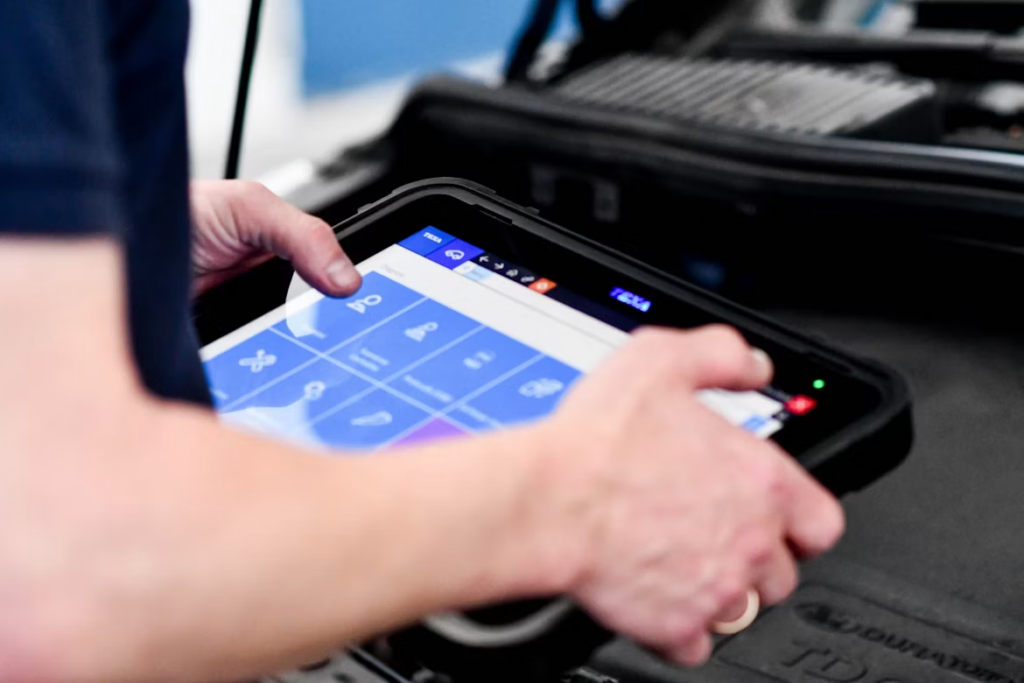
Fault diagnosis takes longer than a routine scan and is often charged separately. Mention any known issue when booking and ask how diagnosis is billed.
Wheel Alignment
Wheel alignment inclusion varies between workshops. Some workshops list wheel alignment as part of a major service, while others treat it as a separate job. Check whether your quote includes wheel alignment, especially if the car pulls to one side.
A Roadworthy Certificate or Safety Inspection
A roadworthy certificate confirms the car meets a minimum safety standard at one point in time.

Roadworthy rules and terminology differ by state and territory, so check your local transport authority for what applies to you. In Victoria, for example, a roadworthy certificate is needed when selling a car, re-registering it, or clearing some defect notices.
It shows the car is safe to drive at the time of inspection, but it doesn't guarantee the car is mechanically reliable. Our guide to how long a car service takes includes a service vs roadworthy comparison table.
How Often Should You Service Your Car?
The logbook or owner's manual sets the service interval. As a rule of thumb, a car needs a service every 10,000 to 15,000 km or every 6 to 12 months, whichever comes first.
A low-kilometre car still needs a service at least every 12 months, because fluids, rubber parts and batteries age with time as well as distance.

An older car, a very high-mileage car, or a car used for regular towing should be serviced more often, around every six months.
That applies to a large share of Australian cars: the average age of vehicles across Australia was 10.6 years at the ABS's final Motor Vehicle Census in January 2021. See how often to service your car for model-by-model intervals.
How Long Does a Car Service Take?
A car service takes roughly 1 to 4 hours. A minor service takes about 1 to 2 hours, and a major or logbook service takes longer depending on the interval. Repairs found during the service add more time. Read more about how long a car service takes.
How Much Does a Car Service Cost in Australia?
A minor car service costs around $220 to $245, and a typical logbook service around $370 to $385.
The car's make and model, the chosen mechanic, and the service type all influence the final price. Capped price servicing sets a maximum price for scheduled services at a manufacturer's dealer on many newer cars. Our full guide on how much a car service costs has state averages and brand examples.

Do You Have to Service Your Car at the Dealer to Keep the Warranty?
No. According to the Australian Competition and Consumer Commission (ACCC), any suggestion by manufacturers or dealers that vehicles need to be serviced at a licensed dealer to maintain the owner's consumer guarantee rights is not correct.
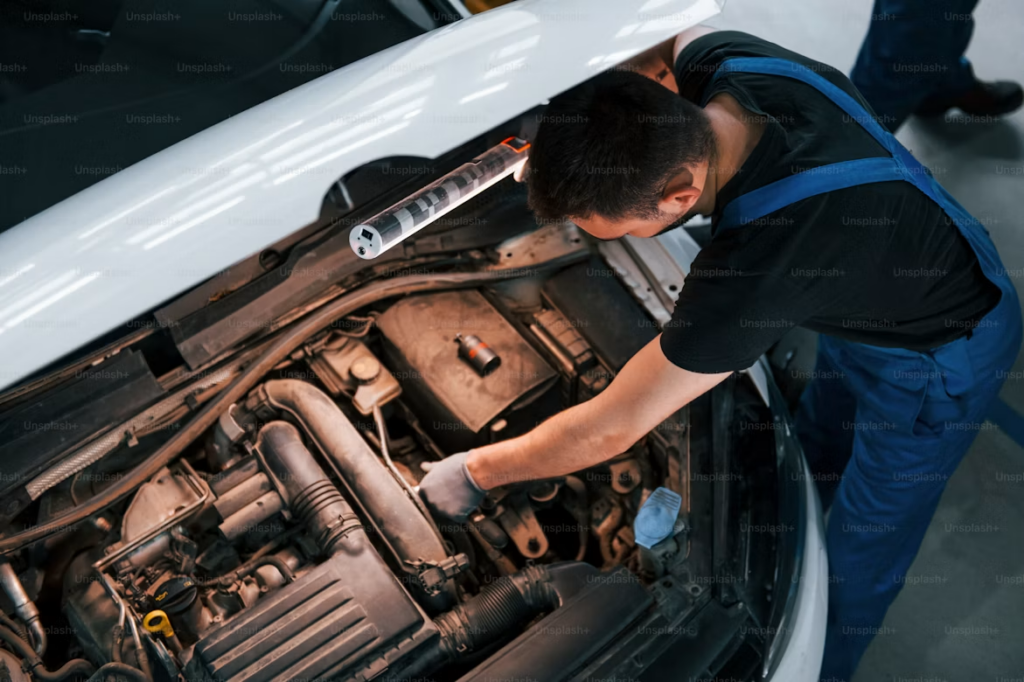
The Australian Automotive Aftermarket Association (AAAA) lists the following 4 conditions for independent workshops to qualify:
- Quality spare parts from reputable suppliers
- Servicing to the manufacturer's instructions
- Trained and qualified staff
- Fluids that meet manufacturer specifications
AAAA Chief Executive Officer, Stuart Charity, says many new car buyers are still confused about their rights. A manufacturer's warranty is an additional promise, but it does not replace consumer guarantees.
The exception is some extended warranties that require dealer-network servicing, so check your warranty terms. This is general information, not legal advice.
Questions to Ask Before and After Your Car Service
A few questions protect the owner from invoice surprises.
Before You Book
Before you book a car service, confirm 5 questions:
- Which type of service is this: minor, major, or logbook?
- What exactly does the quoted price include?
- Are parts and labour itemised, and are the parts genuine, OEM or aftermarket?
- Will you call me before doing any extra work?
- Will the logbook be stamped or updated digitally?
The Royal Automobile Club of Victoria (RACV) recommends a written estimate covering the work, estimated time, and parts and labour costs.
When You Pick Up Your Car
When you pick up your car, there are 4 questions to ask:
- What was done, and which parts were replaced?
- Which issues are urgent, and which can safely wait?
- When is the next service due, and what will it involve?
- Can I have an itemised invoice that notes any warranties on the work?
An itemised invoice becomes part of the car's service history, so keep it.
Keep a Record of Every Service
A documented service history shows buyers that a car was maintained, which can help its resale value.

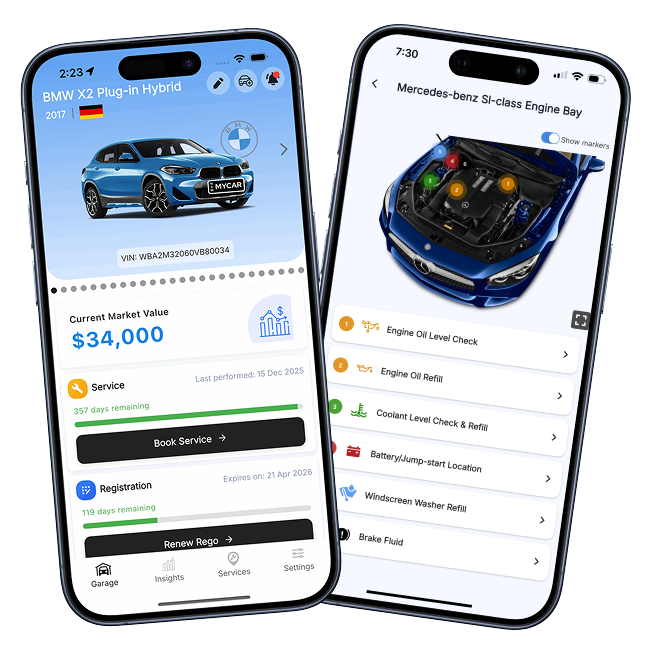
A complete service record stores invoices and logbook stamps together in one place. The free Autoport app keeps service records digital and sends a reminder before the next service is due.
Car Service FAQs
Here are the 3 most asked questions by car drivers:
What Does a Basic Car Service Include?
A basic car service includes an oil and filter change, fluid checks and top-ups, brake and tyre checks, a battery and lights test, and a general safety inspection. A basic car service usually matches what workshops call a minor service.
Is a Car Service Worth It If Nothing Seems Wrong?
Yes. A car service catches wear before it becomes an expensive or unsafe problem. A car can feel normal while its oil degrades, its brake pads thin, or a belt starts to crack. Car insurance does not usually cover mechanical faults caused by wear and tear or lack of maintenance.
How Do I Find a Trustworthy Mechanic?
A trustworthy mechanic comes recommended by family, friends or coworkers and has solid online reviews.
According to RACV, a reputable workshop offers a service warranty, an itemised invoice, a time and cost estimate, and a promise to call before extra spend. Membership of an association with a code of conduct, such as RACV-accredited centres, adds another layer of accountability. Reputation matters more than the cheapest quote.
Conclusion
A car service includes a core set of checks, but the exact items depend on the service type, and the logbook is the schedule that counts for your car.
An itemised quote before the job and an itemised invoice after it keep the bill transparent. A complete service record protects warranty claims and resale value.
Keeping track of what was done at each service, and when the next one is due, is much easier when it's all in one place.
Download the free Autoport app to add your car using its number plate, store your invoices and receipts, and get reminders before your next service is due.