This article is general information only. Check your owner's manual or ask a qualified mechanic for advice on your car.
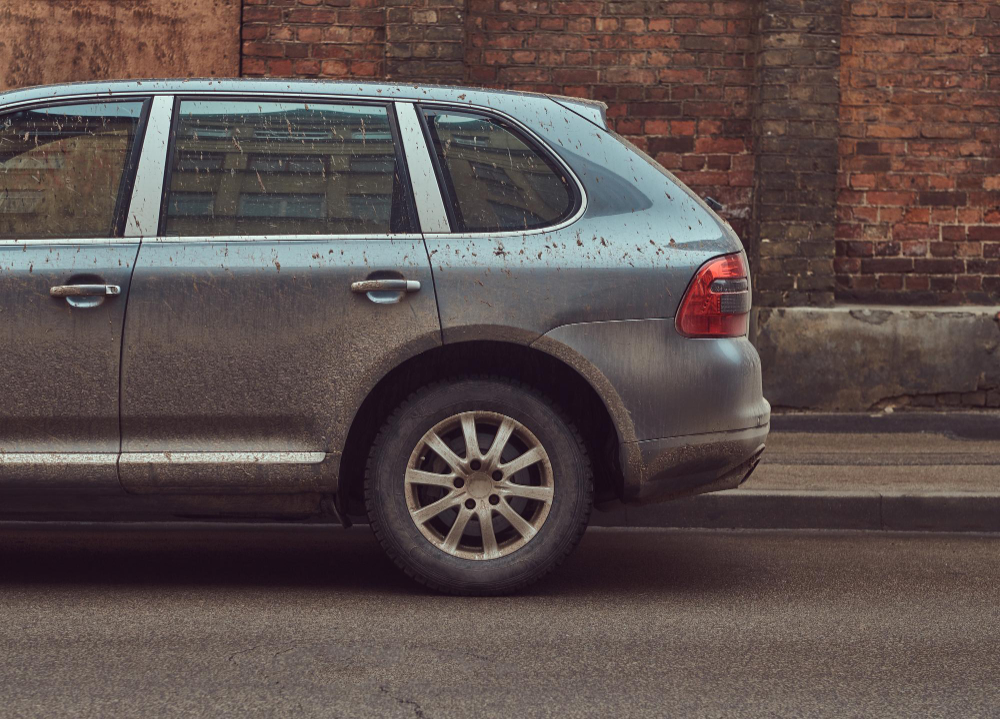
Is it bad for a car to sit unused? Well, a week or two in the driveway is usually fine for a healthy car. After that, the risk creeps up with every extra week and the next thing you know is your battery gives out.
In our experience, most "it won't start" stories after a holiday come back to battery. Tyres, fuel and brakes would usually become issues a lot later.
Below, we cover how long is too long, what actually goes wrong, things to do before leaving your car and what to check before you drive it again.
How long can a car sit before problems start?
It often depends on how old the battery is, what the weather's doing and how much tech your car keeps running while it's switched off.
Here's roughly how it plays out for a typical petrol car.
Up to two weeks
A healthy car with a healthy battery usually shrugs this off. You might see a light orange film on the brake discs, but a few stops will clear it.
Although a different story if you're dealing with a tired battery. If yours is getting on, even a week can leave you with a slow start. It is recommended to have any battery older than three years tested.
Two to four weeks
Modern cars keep drawing a small amount of power when they're off, for things like the alarm, keyless entry and sensors, so the charge slowly drops. Cold mornings make starting harder again.
If you know the car will sit this long, it's best that you plan ahead. A battery charger or a friend who can take it for a proper drive will save you a lot of hassle.
One to three months
Fuel and tyres join the list. Suncorp says petrol performs at its best for up to a month in the tank and suggests using it within a few months. Continental notes that tyres left under load for a month or longer can develop flat spots that don't fully go away.
Moreover, by this point, brakes are also more likely to stick especially if the handbrake was left on.
More than three months
Unless the battery has been on a maintainer, expect it to be flat. Another to expect is to give the car a proper once-over before you drive it too;
But note that, that does mean the car is damaged. Our checklist further down covers what to look at.
What goes wrong when a car sits unused?
Here's what happens, why and how you'll know.
A flat battery
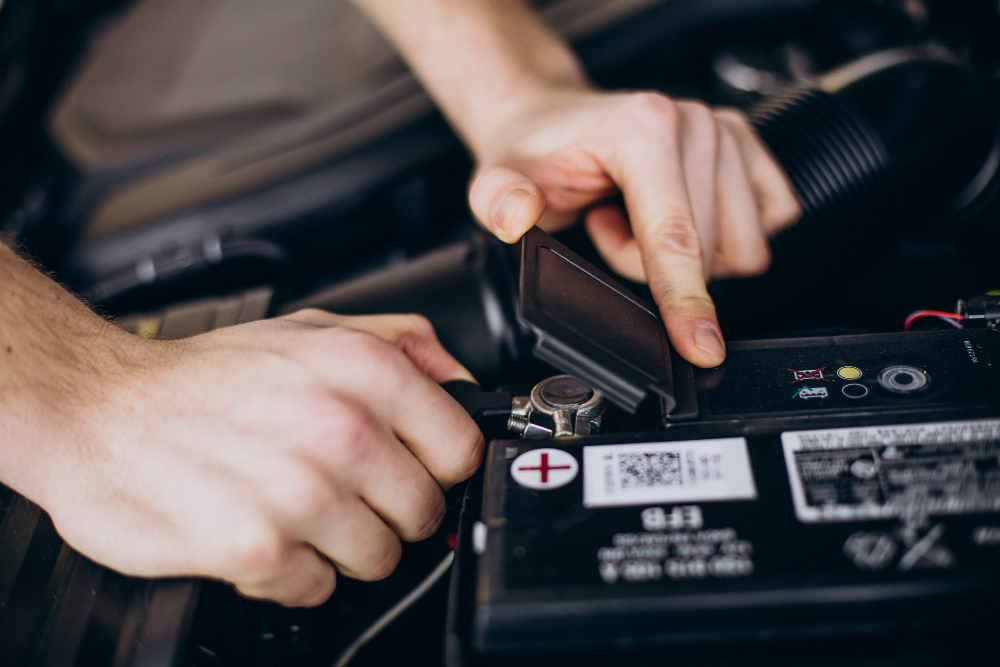
Even when it's locked and switched off, your car is never fully asleep. The alarm, the remote locking receiver and several computer modules all sip power around the clock.
The usual signs are a slow, laboured crank, a clicking sound when you turn the key or press start, and dim or flickering dash lights.
Flat-spotted tyres
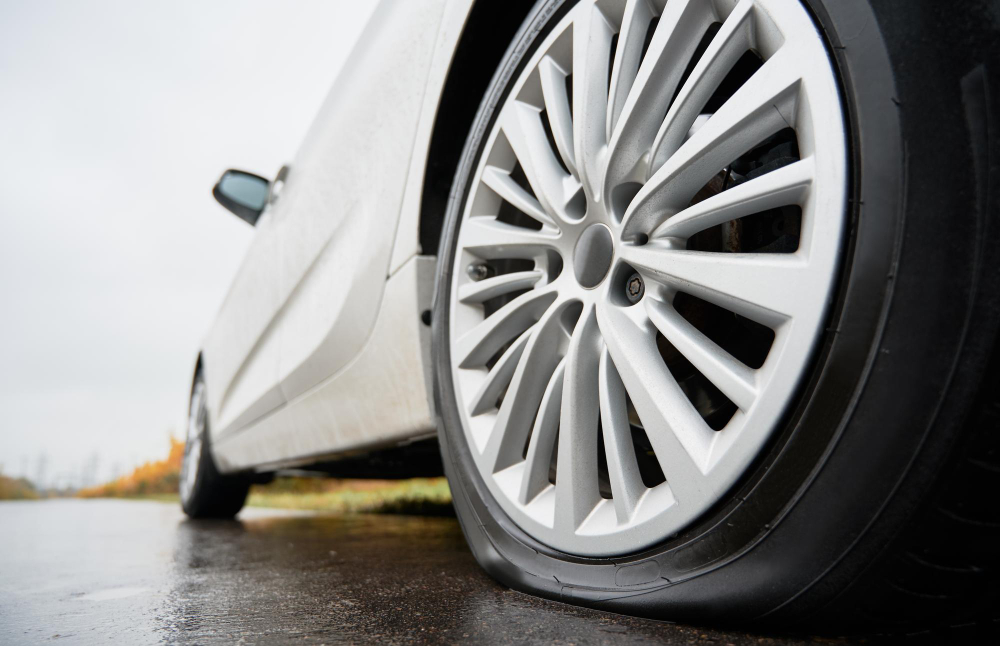
When a car sits, the same patch of each tyre carries the weight day after day. As the tyre cools, that patch can flatten out and you may feel it as a thump or vibration when you first pull away.
Usually it settles once the tyres warm up. But Continental says tyres left under load for a month or longer can develop semi-permanent flat spots that need a tyre specialist.
Stale fuel
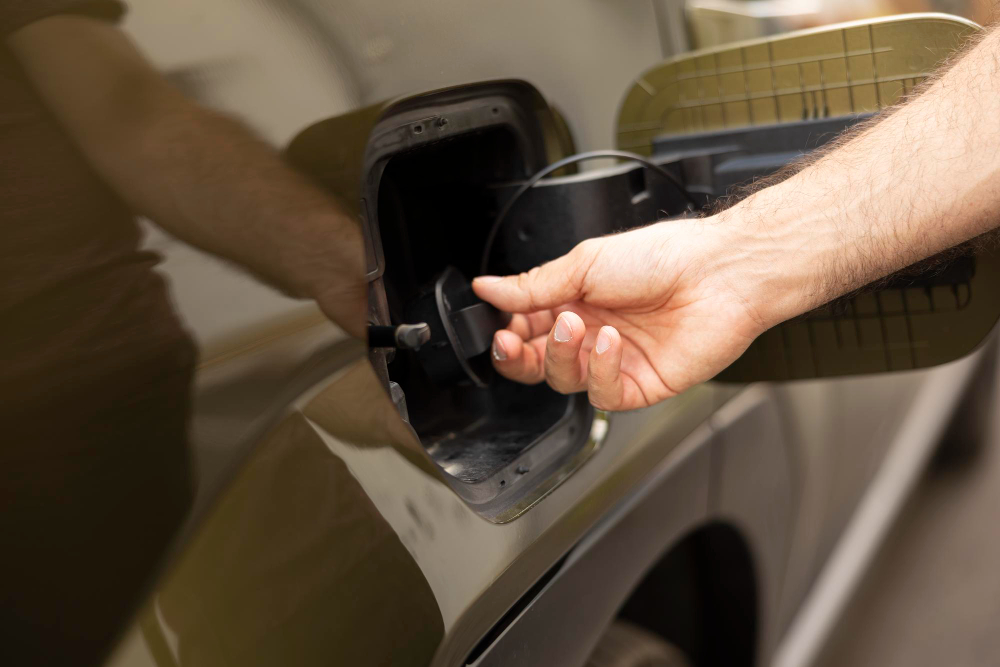
Over a few months it starts to break down and can leave gummy deposits behind. Suncorp warns that older cars with carburettors are most at risk.
In two or three weeks, this is not worth worrying about. But the moment you've passed two or three months? Well, it's worth a thought.
Rusty or sticking brakes
Brake discs are bare metal, so a thin coat of surface rust can show up after just a few damp days.
But the bigger issue comes with longer sits. When pads can stick to the discs while the handbrake is on. If the brakes grab, pulse or give off a burning smell once you're moving, get them checked. A brake inspection is part of what a car service includes.
Pests and damp
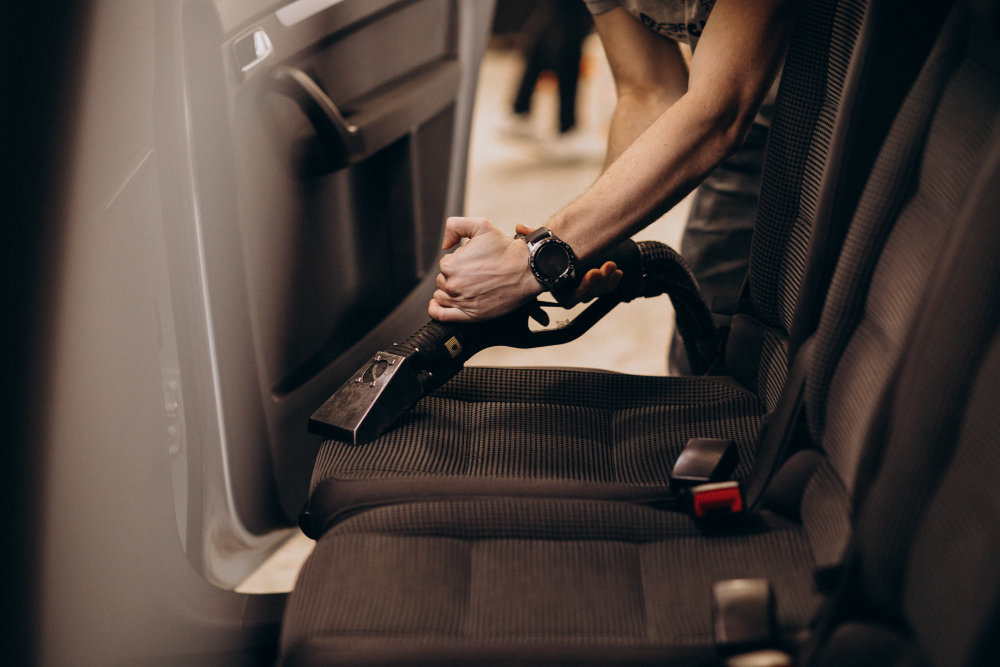
A car that has not moved in weeks creates a quiet and warm engine bay that rodents love. A common thing they do is that they would chew the wirings.
In addition, a closed-up cabin can also go musty. So, it's better to clear out food wrappers and give your car's interior a quick clean.
Do you still pay rego and insurance on a parked car?
Short answer: yes. Your rego doesn't pause just because the car is sitting in the garage. If it's registered, you're paying for it whether you drive it every day or not at all. You can cancel it, but the rules change from state to state, so we'll use NSW as the example here.
In NSW, you can cancel your registration at any time and you might get back the unused part of the motor vehicle tax. Just don't expect the same for your CTP green slip. SIRA says you'll only get a partial CTP refund in specific cases, like when the car has been written off, stolen or sent to a wrecker.
And once the rego is gone, the car can't just live on the street because there are penalties for leaving an unregistered vehicle on a road.
Insurance is a separate call. It's tempting to cut back the cover on a car you're not driving, but a parked car can still be stolen, hit by hail or caught in a flood. Have a chat with your insurer about what you're covered for while it's sitting there before you change anything.
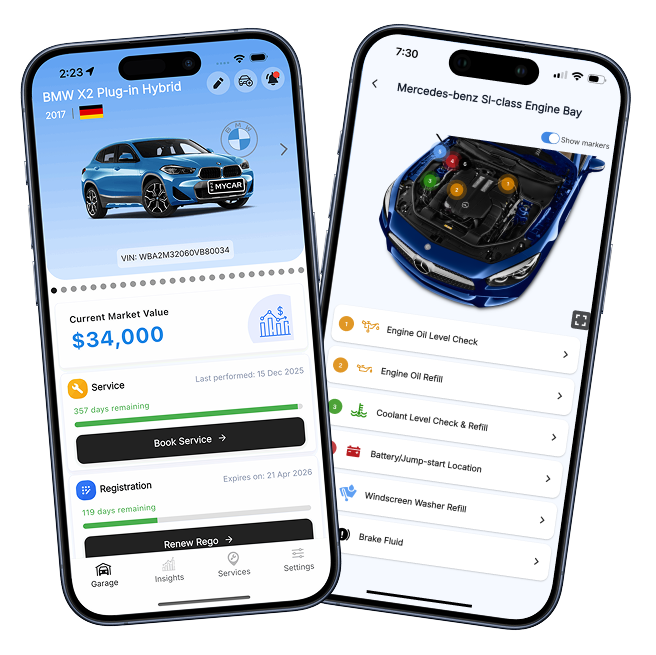
Need reminders before your rego and insurance are due? Once you have Autoport on your phone, nothing slips past while the car is sitting in the driveway.
What to check before you drive it again
A little prep before you leave makes the return much easier.
- Walk around it. Check the tyres look evenly inflated and look for any new damage. Pop the bonnet and look for chewed wires, droppings or nesting material.
- Check the tyre pressures. Check your tyre pressure against the placard, usually inside the driver's door, and top up if needed.
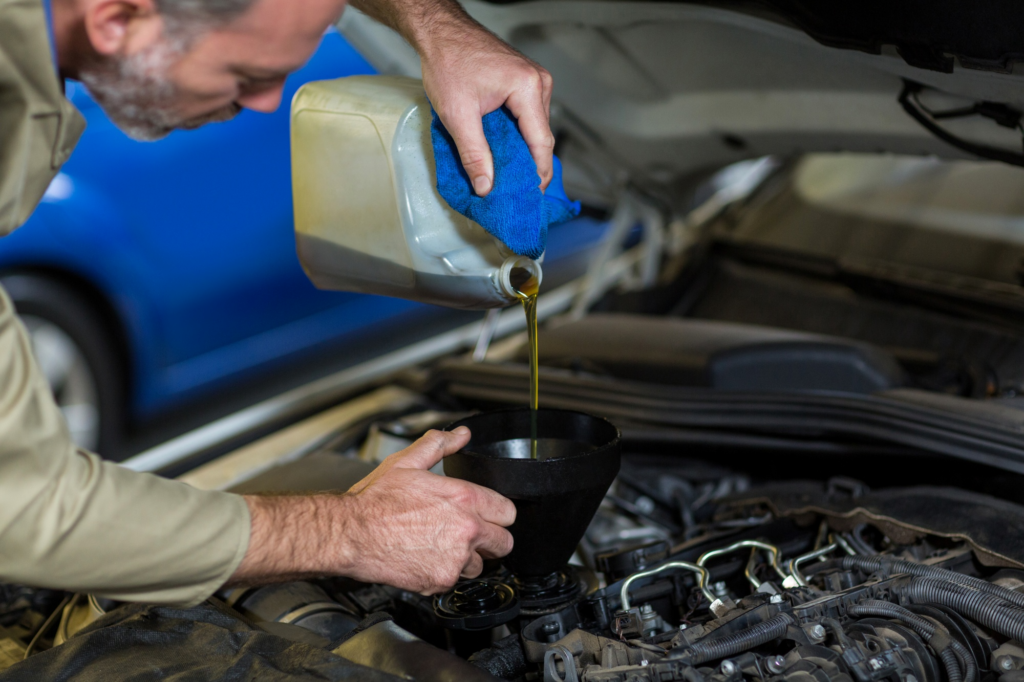
- Check the fluids. Look at the oil, coolant and brake fluid levels, and look under the car for fresh drips.
- Listen to the start. If it cranks slowly or clicks, charge the battery or get it tested before you rely on it.
- Watch the dash. Any warning lights that stay on are worth a call to your mechanic.
- Driving an EV or hybrid? It still has a small 12-volt battery that can go flat. Storage advice for the main battery varies by brand, so follow your owner's manual.
- Know when to stop. If the brakes grab or pulse, the car pulls to one side or you smell burning, park it and call a workshop.
If the car has sat for months, or anything feels off, book it in for a check. Here's what a car service costs in Australia for a ballpark.
FAQs
How long can a car sit before the battery goes flat?
For a healthy modern car, it's often a few weeks. An older battery, cold weather or a car loaded with electronics can shorten that a lot.
Is it bad to let a car sit for a month?
Usually not, if the battery is in good shape. But a month is around when the battery, fuel and tyres all start to matter. A smart charger or a proper drive every week or two takes care of most of it.
Can a car sit for six months?
Put the battery on a maintainer, set the tyres to the right pressure, and decide what to do about fuel. Then give the car a careful check before driving it. Preparation lowers the risk, but there's no guarantee nothing will need attention.
Does a car I barely drive still need service?
Yes. Logbook services are due by time or kilometres, whichever comes first. Your logbook will have the exact interval to help you remember how often you should service your car.
Conclusion
A week or two of sitting rarely hurts a healthy car. After a few weeks, the battery becomes the main worry and once you're into months, it pays to have a plan.
A parked car is easy to forget and so are the dates that keep ticking in the background. But with the Autoport app, it tracks your service, rego and insurance dates and reminds you before they're due.
Need an app that keeps your service history and documents in one place? Download now, available on iOS and Android.